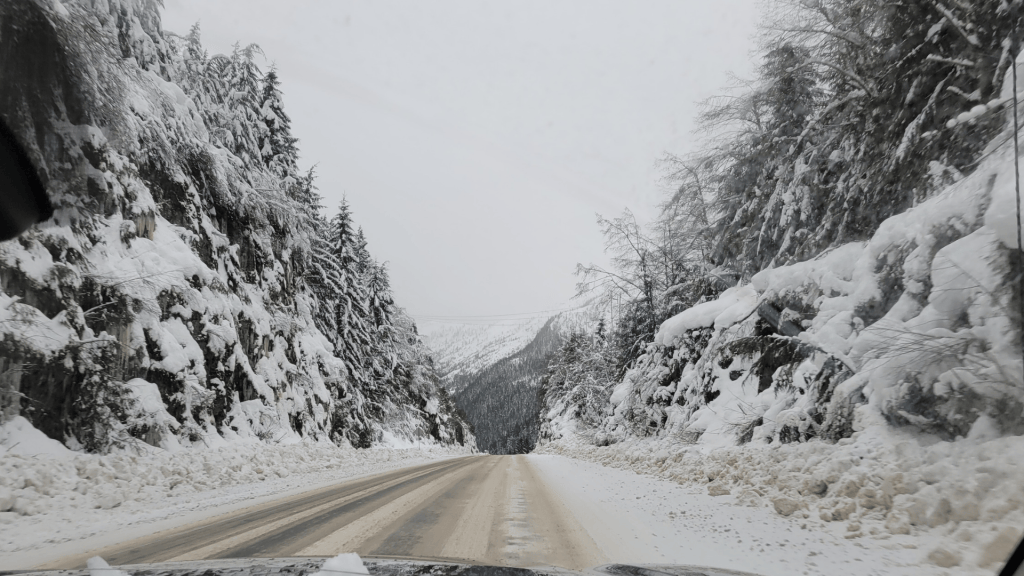
In northern British Columbia, a medical appointment is rarely just an appointment.
If you are a Quesnel resident and you have to see a specialist, you may be traveling two hours north to Prince George. If you need more specialized care, you may be traveling down to Vancouver. If you live in surrounding smaller communities like Wells or Nazko, your journey starts long before you even arrive in Quesnel to catch a bus or head down the highway.
Of course, there are the obvious costs we all think of: gas, hotel rooms, meals on the road, time away from work. But for many families, the biggest costs of having to travel away from home for healthcare aren’t the price of gas.
Who will take care of the kids while you’re away? Can you find someone to escort an elderly parent around a large, unfamiliar hospital? What if you have one child who needs to travel for medical care hundreds of kilometers away but you still have another child to take care of at home? Who’s there to support you if you get bad news?
These are all realities for rural and northern families. But they are the hidden, quiet costs that don’t always get accounted for when we talk about healthcare accessibility.
The Cost of Travel
British Columbia’s public healthcare system, on paper, covers medically necessary hospital and physician services for eligible residents. But getting to that care is a different story.
For northern residents, traveling for an appointment outside of your community can easily mean hundreds of kilometers on the road, hotel stays, eating out, local transit, or parking when you arrive. A 2021 study, published in BMC Health Services Research, looked at the experiences of 381 rural BC residents who traveled for healthcare. For those who reported expenses, the average out-of-pocket transportation costs were $856. The average accommodation costs were $674. For all respondents with complete financial data, the average out-of-pocket costs were approximately $2,044.
While these are for patients traveling for specialist or surgical care rather than routine visits, it’s easy to see how costs can add up when you don’t have access to care close to home. Researchers appropriately termed these out-of-pocket costs a “rural tax.” It’s an extra cost you pay just because of where you live.
Beyond the monetary costs, the study noted a toll that can’t be captured by receipts: physical exhaustion, anxiety over winter roads and travel logistics, and significant disruptions to daily life. For some patients, these costs were enough to delay or deter them from seeking care.
The Cost of Distance
For example, what if a child needs specialized treatment in Vancouver? A parent may travel with that child. But if you have another child at home, you need to create a whole second network of care. Who will look after the other child? Who will take them to school? Who will make meals? Who will stay with them overnight? If the treatment is longer than expected, you need to find a way to extend those arrangements on short notice, which can put a lot of strain on extended family and friends.
For elderly patients, it can be different. If you are an older adult with limited mobility, in an unfamiliar environment, or with a medical condition that makes it unsafe to travel alone, you can’t always travel solo. You need a companion. Often, it’s an adult child who has to figure out time off work, their own family responsibilities, and step in to help their parent on the journey.
Sometimes, what a patient needs is just to not be alone. It can be scary to get a serious diagnosis, have surgery, or manage complex treatment. Having access to care close to home means you can have visits and comfort from family and friends. But when you have to travel hundreds of kilometers for treatment, it can be a lot harder to maintain that personal support.
The emotional toll of medical travel is very real. In the 2021 rural BC study, 80% of respondents reported traveling with a companion (who wasn’t a healthcare professional). This is a clear indicator of how important that human presence is during medical care.
But you can’t always guarantee that you’ll have someone to go with you. If you’re living alone, if you’re a single parent with no family around, or if your loved ones can’t afford time off work, you’re on your own for the journey. Two people in British Columbia can receive the exact same publicly funded medical treatment but have completely different worlds of stress, isolation, and logistics to navigate just to get there.
When the Schedule Doesn’t Work
There are programs in northern BC to help ease the burden and make medical travel more accessible. For example, Northern Health Connections offers subsidized transportation between communities and regional healthcare centers. Published fares for a return trip between Quesnel and Prince George are about $20. A return trip between Quesnel and Vancouver is about $40. It’s a fraction of the cost of personal vehicles or commercial transit.
But the price of the ticket is only part of the story. The medical bus from Quesnel to Prince George runs on a limited weekly schedule. If your specialist appointment is on a different day, you may need to find a different way to travel, pay for extra nights in a hotel, or reschedule for another date.
If you’re taking the bus all the way from Quesnel to Vancouver, the trip takes about ten hours each way based on published schedules. Even with a reasonable fare, that turns an appointment into a multi-day trip away from home. It takes patients away from their families and adds to the burden of childcare and caregiving.
If you’re in a smaller surrounding community, there can be even more hurdles. BC Transit’s published rural schedules have included a Thursday-only service between Wells and Quesnel and a monthly service between Nazko and Quesnel. While these are vital links, the limited frequency doesn’t offer a lot of flexibility. It may be affordable, but a transportation service doesn’t help if it’s not available when you need to go for care.
What’s Covered (And What’s Not)
There are programs to help patients with the costs of medical travel in British Columbia. For example, the provincial government’s Travel Assistance Program (TAP BC) provides eligible patients with reduced fares or free travel on participating transportation carriers for non-local medical services. There are dedicated non-profit organizations like Hope Air that provide vital support with things like arranging flights and other travel for eligible patients.
These programs make a huge difference for many families who might otherwise not be able to afford the trip. But there are still significant gaps. For example, TAP BC doesn’t cover travel that has already occurred. It also doesn’t cover meals, accommodation, fuel, mileage, or local transit.
TAP BC covers escorts traveling with patients aged 18 or younger or individuals who are unable to travel independently for medical reasons. But emotional support doesn’t count. If you want to have a spouse, parent, or adult child with you for comfort during serious treatment, that’s entirely on you to pay for their travel costs.
While a discounted fare can help get you down the road, it can’t figure out care for your kids at home. It can’t make sure there’s someone to help an elderly family member navigate the hospital hallways. It can’t replace the daily support from family that helps people heal.
The Unequal Burden of Distance
The truth is, distance doesn’t affect every household the same way. If you have a reliable vehicle, paid time off, savings to fall back on, and family close by to help out, traveling for medical care is manageable. But if you don’t have those advantages, the exact same trip can become exponentially more difficult.
If you’re a single parent and you have an overnight appointment, you need to figure out overnight childcare. If you’re an older adult on a fixed income, you need to find a relative who can afford to miss work to travel with you. If you’re a resident in a small rural community and you don’t have a vehicle, you need to figure out how to even get to the nearest point where you can catch a bus.
When these burdens start to add up, they directly impact healthcare decisions. Patients in the 2021 study described delaying or cutting back on needed care due to financial strain, harsh road conditions, physical fatigue, and the sheer logistical stress of having to travel away from home.
This isn’t to say that northern residents never get the care they need or that traveling always results in worse outcomes. But it challenges the notion that because a medical service is somewhere in the province, there’s equal access. A specialist appointment in Vancouver may be covered by public healthcare, but getting to that appointment from Quesnel is completely different from taking a short transit ride across town.
What Could More Accessible Healthcare Look Like?
It’s not practical or desirable to have every specialized medical service available in every rural community. Advanced care requires specialized equipment, facilities, and multidisciplinary teams that small communities can’t support. There are real benefits to having high-level care concentrated in regional centers. The challenge is to make sure that the centralized efficiency doesn’t put an unfair burden on those who are furthest away.
There are practical ways to reduce these barriers. For example, virtual appointments and telehealth can handle many consultations and routine follow-ups. That leaves long-distance travel for exams and procedures that require physical presence. When travel is necessary, clinics can coordinate multiple appointments into a single trip. They can also offer flexible scheduling so patients don’t have to pay for extra overnight stays.
We can also expand support beyond bus fares. It’s about accommodation, companion travel, and practical needs around the house. For some households, financial support for a travel companion can make the difference in being able to access care. For others, it’s about having reliable care for family members who stay behind.
Ultimately, we can’t just measure healthcare accessibility by the number of appointments delivered or the number of bus seats filled. We need to understand the arrangements families need to make to get to those appointments. And we need to pay attention to those who can’t make those arrangements at all.
More Than Kilometers
Distance is a reality of life in northern British Columbia. It’s something residents are used to. They’re used to long drives, limited schedules, and being self-reliant. But accepting the geography doesn’t mean we should ignore the human consequences that come with it.
The real cost of medical travel is much more than fuel receipts or hotel bills. It’s the child staying with relatives while a parent travels with a sick sibling. It’s the elderly patient sitting alone in an unfamiliar clinic. It’s families trying to navigate daily life at home while someone they love is receiving care far away.
These aren’t always costs that show up on transportation budgets or medical billing sheets. But they are real costs of accessing healthcare. If we want to know if healthcare is truly accessible in northern BC, we need to look beyond where services are located. We need to understand what people have to go through to get there. And we need to understand what they’re forced to leave behind along the way.
Sources
- Kornelsen, J., Khowaja, A. R., Av-Gay, G., Sullivan, E., Parajulee, A., Dunnebacke, M., Egan, D., Balas, M., & Williamson, P. (2021). The rural tax: Comprehensive out-of-pocket costs associated with patient travel in British Columbia. BMC Health Services Research, 21(1), 854. https://doi.org/10.1186/s12913-021-06833-2
- Government of British Columbia. (n.d.). Medical Services Plan (MSP). Ministry of Health. https://www2.gov.bc.ca/gov/content/health/health-drug-coverage/msp
- Government of British Columbia. (n.d.). Travel Assistance Program (TAP BC). Ministry of Health. https://www2.gov.bc.ca/gov/content/health/accessing-health-care/tap-bc/travel-assistance-program-tap-bc
- Northern Health. (n.d.). NH Connections: Bus schedules and fares. https://nhconnections.ca/schedules-and-fares
- Northern Health. (n.d.). Quesnel–Prince George–Quesnel bus route. NH Connections. https://nhconnections.ca/schedules-and-fares/quesnel-prince-george-quesnel
- BC Transit. (n.d.). Quesnel Transit System: Schedules and fares. https://www.bctransit.com/quesnel
- Hope Air. (n.d.). Medical travel support and programs. https://hopeair.ca/
Transportation fares, schedules, and program eligibility can change. The route and fare details in this article are based on published information consulted for this piece.


Leave a Reply